Winter Mental Health
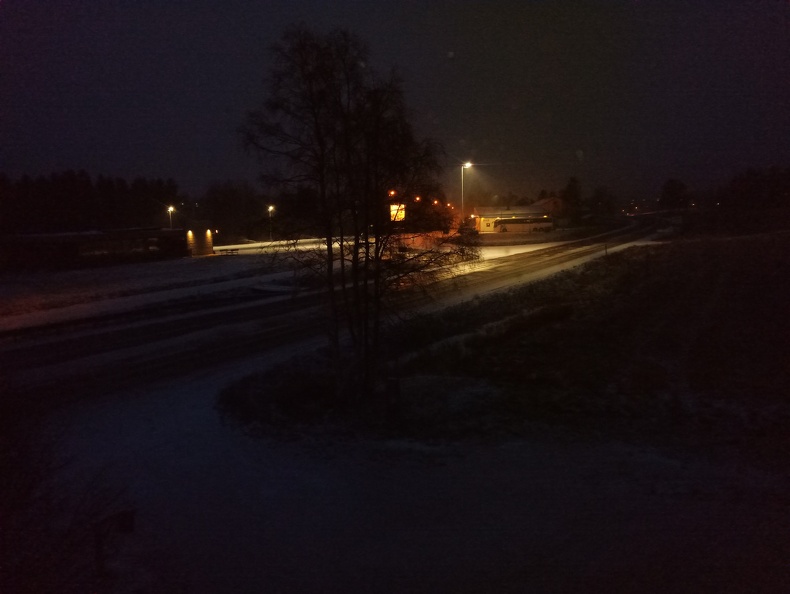
Our latitude is about 63N which is about another length of the UK north from the UK. This makes the summer days long to the point of having a bright sky at midnight, but it also makes the winter nights especially long and dark. The weather gets overcast here in September and October with the temperature dropping below zero in November. Combined with work and weather, a person can wake up in darkness, work in an office, and leave into darkness for multiple months. The January snow makes things brighter. Although the first winter was exciting, everyone warns about the winters and it’s healthy to have a well-being plan in place for the extended darkness.
Quick Immediate Wins
A summary for people that don’t like long articles:
- If stressed and tired, get some sleep and worry about everything tomorrow. It might seem a lot smaller in the morning.
- If anxiety is causing you to have problems getting to sleep, try melatonin a couple of hours before sleep for a few days. Buy some now, before you need it.
- Make an effort to remove sleep distractions and interruptions, and effort into keeping a regular sleep schedule.
- Prioritise getting outside in what little sunlight there is. Make time. Plan other activities for some other time.
- If you cant get outside, indoor exercise does help
- If you work from home, measure your work area light level with a cheap meter and make changes to get the light level in your home office up to 400 lux.
- If you are a bit of a scatterbrain, make a regular schedule for talking to friends and family.
- Cut yourself and others some slack.
- Yes, vitamin D is great but don’t scoff random supplements. Accidentally overdosing on iron or zinc over months will give weird problems.
- Familiarise yourself with CBT and other theories for self-correcting negative thought processes.
Dispelling Myths
It’s healthy to confront some myths:
- It’s not only other people that will get affected by the seasons. It’s unhealthy to think of yourself as immune because it results in you not making preparations that might otherwise give an easier season.
- It’s not a defect or weakness but a chemical effect that is going to increasingly influence your thought processes the longer you’re in darkness. There are lots of ways to combat it but they are each buying extra time for spring as opposed to a miracle cure.
- Willpower alone isn’t a solution – trying to simply will yourself happier as someone who is indestructible can risk making you feel guilty that you’re somehow weak for having a problem in the first place.
- Symptoms aren’t always obvious and as adults we heavily mask our true thoughts and feelings, which in turn can cause us to hide the symptoms.
- A complete solution is more than just popping a vitamin and sitting in front of an expensive light bulb.
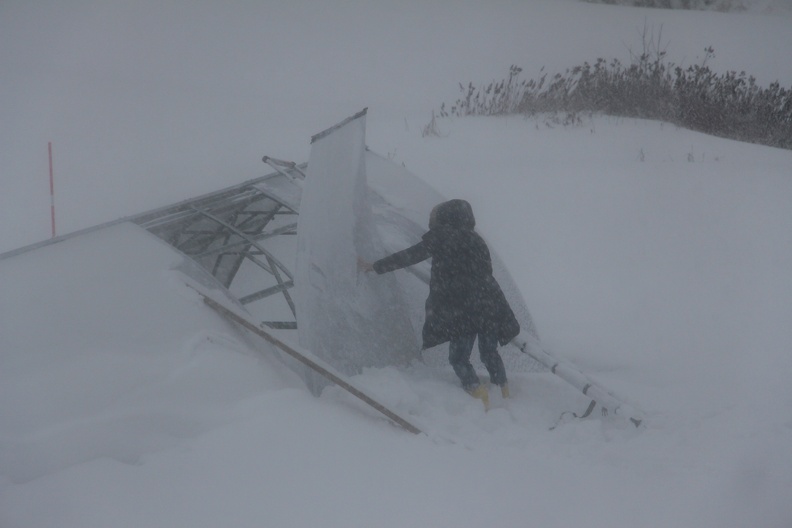
- Going outside isn’t always an option on a specific day, especially if there’s a blizzard or storm, and daylight isn’t guaranteed on any winter day.
- Getting a good nights sleep isn’t always an option on a specific night.
- Just because the internet says there will be 5 hours of daylight for a calendar day, doesn’t mean the sun will be visible. It might be low cloud all day, or a snowstorm, or cold rain.
Swedens Local Situation
Sweden generally has a good work-life balance compared to other countries. Sweden has high union membership (2nd highest globally) and strong workers rights. Working overtime, doing work for your workplace in your time off and holidays, and overwork in general, is culturally seen as a sign of mental illness, and not sustainable in the long term.
Sweden also has a good system for booking short therapy sessions. With multiple online sites offering sessions with a therapist, of up to 10 sessions by default, which are then fully or partially paid for by the healthcare system. Some more details of this in the sections below.
Sweden doesn’t have as much of a culture of preventative healthcare for physical health compared to some other countries. The explanation I’ve seen is that Sweden believes that in other countries preventative healthcare checkups are largely used to sell products and procedures to people, with little impact on positive health outcomes. I do wish it was a bit easier to book for just a general doctors appointment for physical issues as some clinics only provide certain services and you can switch clinics but only a specific number of times per year. I also cant book in person or by email, and whilst I can speak and understand slow Swedish the automated phone booking system is currently a barrier. It should get easier with time however.
Sweden has an anti-suicide organisation that places adverts on trains and in cities, especially in the winter seasons. Their goal is to try and get to zero suicides. The link is below:
https://suicidezero.se/stod-oss/
The site is in Swedish but your browser likely has a translate option which will be mostly good enough. Immigrants are more at risk, with one paper putting it at 1.5x the risk compared to a native resident.
Immigration
I think there’s going to be a lot of contributing factors as to why there’s more stress on an immigrant but the things I’ve spotted are:
- think of the last time you dealt with a government department in your country and it went a bit wrong and you had to fix it. Maybe the bureaucracy was a bit broken, or you got caught in a catch-22 situation. For immigration you get to deal with every department all at once. New tax registration, new driving license, new healthcare registration and procedures, new property registration and liabilities. It gets easier with time but there are new sometimes challenges. As an example having to renew an artickle 50 residency permit into a permanent resident status means (just as one example requirement) providing and justifying all financial records for the past 5 years – it’s a process that it’s possible to fail at, where failure means losing your right to stay in Sweden. There’s no easy answer for this other than having a constructive mindset and making the time to put together and submit the best application you can.
- a native person will have a larger local safety net of people they grew up with, family and friends, that recognise their moods and can provide support in their own way. This might be minor things like a joint activity when they notice subtle signs that a friend is down or more direct intervention by family. I’ve been able to keep regular contact with family via online video via Teams, Google and Whatsapp, and for me I make a regular schedule and keep to it which works well. Building a net locally I find tricky but it’s something that responds well to having more face to face interactions and helping in community events. I find large social events difficult to get right but 1 on 1 interactions tend to be positive.
- more immediate access to turn the seasons into sports rather than something to be endured. The average northern Swedish home has skis, perhaps even multiple types of skis, perhaps a snowmobile (snöskotter), ice hockey kit and knowledge of all the different outdoors events that occur locally through the year that they are interested in. It’s of course possible to build these up but it takes time and it’s expensive to start from scratch for every hobby.
Symptoms
Some symptoms of stress are less obvious or easily dismissed. The physical ones are a surprise, as when you’re under lots of stress you wake up with random small aches and injuries. I’m not a doctor but
- be aware of anything out of the ordinary in the way you are reacting, especially to things you know you have normally handled fine in the past. Sometimes it’s incredibly important just to hear someones observation about yourself that you hadn’t noticed.
- Watch out for not being able to make small decisions, as if your brain doesn’t have the spare capacity for more choices
- Watch out for not being able to do simple tasks, like finding an app on your phone that you’ve used lots of times before
- When stressed I stumble over words more, especially when thinking about about multiple related subjects at once.
Try to know your own symptoms of being stressed, and most importantly then take action to reduce stress. Consider agreeing an action plan with your partner in advance.
Home Office
For myself I work from a office during the winter. One of the first things I did was to brighten the office. I purchased a cheap light meter and measured the existing light level which was about 65-80 lux. I looked up online information about what light level an office should be and decided to aim to reach a light level in winter of over 400 lux.
If you want to improve lighting in your office:
- Consider lighting behind the monitor. There’s various behind-monitor led kits. The light reduces eyestrain from a bight monitor with a dark surrounding backdrop.
- Consider uplighters and other indirect lights, so diffuse light is being bounced off the ceiling and walls.
- Consider brighter bulbs in existing fittings. Sometimes just changing a bulb can make a big difference.
- Consider adjustable colours and brightness so that you can balance lights in the room but also so that if it is a home office then on weekends you can alter the room for non-work.
- Consider a white ceiling if not already present. I was reluctant to paint over the wooden ceiling but my friend said he had done it and didn’t regret it in any room. I used a matt white and it made the room about 25% brighter on the lux meter.
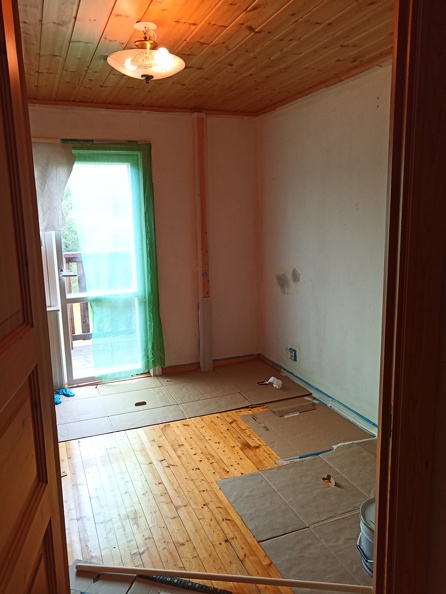
I also made other changes in the office, to reduce distractions and to avoid glare on the monitor, but the biggest improvement has been improving the general level of light.
Workplace
Generally since COVID, workplaces have got a lots better at allowing remote working and flexible hours. One change I made was to negotiate a 75% working contract, so I take a week off each month. This gives me more opportunity to stay in contact with local people and reduced contact with stressful situations.
I’m also lucky that my UK workplace has a mental health policy and takes it seriously. My workplace:
- sets realistic goals and times
- respects avoiding out of work contact
- doesn’t expect me to check emails out of hours
- doesn’t believe my free time belongs to the company
It’s important to uphold your end of this arrangement however; there’s been times I’ve worked at companies supporting services and I thought I was being a good worker by working late and on weekends. In retrospect the company direction didn’t change because of that and it became unsustainable in the long term. Google famously had a “no heros” policy, which was that if a service needs extra effort to keep it alive, then staff should let the service fail so that management noticed and properly resourced the service.
Sleep Tracking
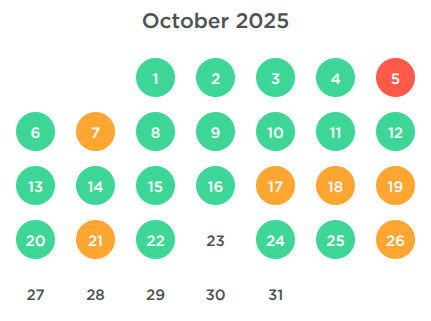
Sleep tracking is important as it make it clear in data as to when there might be a problem developing and you can take action to fix it early. Here is an example from part way through a month with various disturbances but making an effort to try and get regular sleep to compensate:
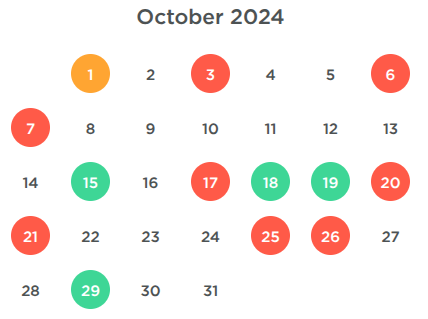
In contrast here is the tracker output of a month the previous year where I was suffering from insomnia and desperately wanted to sleep but couldn’t:
I use an older model Withings watch as a sleep tracker. It wasn’t too expensive when I got it but it was many years ago, and the new models seems to cost a lot more. The battery life is great and it has an option to vibrate on your arm as the alarm call which wakes me up without disturbing my partner.
Improving Sleep Quality
Lack of sleep is like an amplifier to anything else negative that’s going on, whilst getting enough sleep seems to calm things down. There were times I thought I was doing fine but I’d end up almost falling asleep at midday. It’s important to self-analyse and to know yourself and when you’re reacting to lack of sleep.
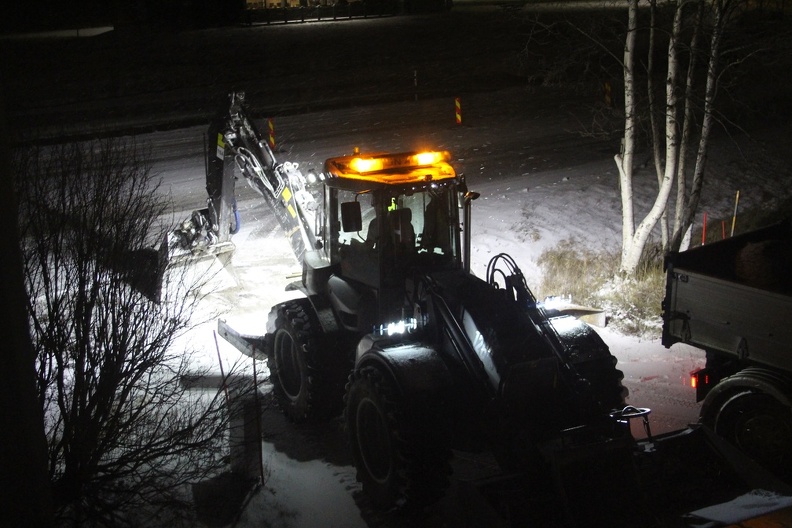
For an immediate ongoing problem, when your mind is racing and you’ve not been able to sleep and you are trying to find a solution, a small melatonin supplement helps a lot. If I take one at 8pm the at about 10:30 I feel like I’m shutting down for sleep at 10:00-10:30. They are a little expensive and come in packs of 10 at our shops, however the times I’ve used them I only needed them for a few nights which was long enough to fix my sleep rhythm.I didn’t notice any side effects.
For longer term sleep hygiene, none of the following things were perfect but they each helped:
- Prioritising sleep as an equal item of importance versus other tasks and needs when I know or can feel I have a sleep deficit.
- Making an effort to maintain a regular sleep schedule helped a lot
- Earplugs were sometimes uncomfortable or fell out in the night without me realising, but they helped a bit when road noise or similar was causing me to occasional wake. I keep a pot of disposable earplugs that I can grab if I ever need them
- An eyemask is ok, especially if your bedroom has problems with traffic headlights penetrating the curtains and blinds or similar. Generally I found the facemask distracting however.
- Making efforts to reduce light in the bedroom is supposed to help, and with us especially intrusive lights like road traffic.
- Turning down bright lights in the evenings, and avoiding bright screens. Some sites suggest switching to redder hues also which is possible nowadays with modern adjustable bulbs.
- Avoiding eating in the late evening helps, as I dont seem to wake up early. I have to remind myself I’m not really hungry in the evenings, it’s just a habit of snacking.
- Avoiding alcohol and caffeine in the evening helps.
- Slightly sloping the bed is supposed to help with snoring and sleep apnoea – apparently there’s a lot of research on this and a strong positive correlation. You can buy risers or make them yourself for a small amount of slope.
- Make a doctors appointment if you have snoring or sleep apnoea as it may be treatable and will otherwise affect your sleep and energy levels. I had the nasal obstruction surgery done to remove polyps which was not a fun surgery to recover from but helped my snoring a lot. Snoring gets treated as a joke but doctors increasingly link it to a wide range of health problems and of course it impacts the partner also. Ultimately if you know you snore heavily then you should seek treatment even if only so that your partner can sleep.
Rodent Control
This is fairly specific to northern Sweden and wooden houses. Mice are a big problem for us in October and November. As it gets colder outside they seek ways to get into the warm house infrastructure. A 1940’s house with multiple layers of exterior cladding has lots of ways to get in that I cant easily get to to fix.
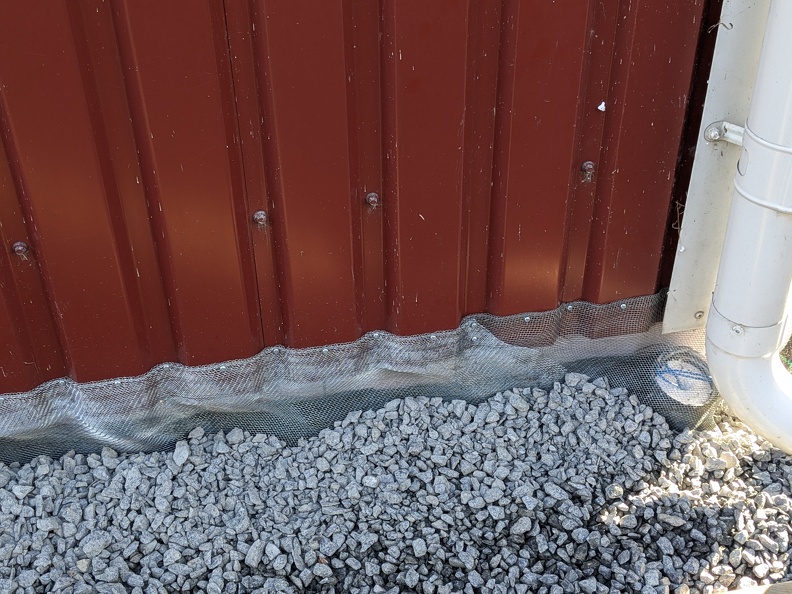
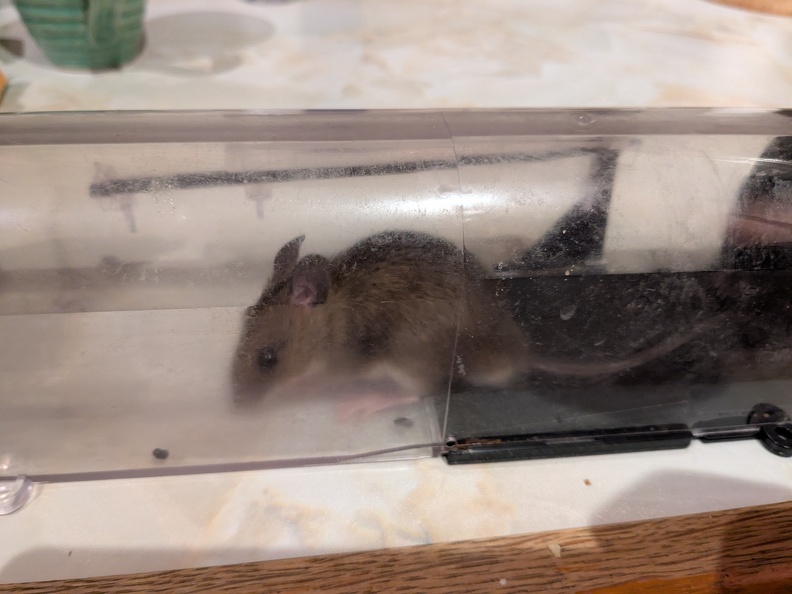
The mice get into the walls and ceilings and just one mouse scratching around in the wall next to you or running under the floor is incredibly loud and a source of anxiety when you’re trying to sleep. Sometimes when I keep waking for seemingly no reason we will catch a mouse the next day, so I sometimes suspect I’m hearing small noises without realising.
We trap them, but they tend to be active and get caught in the middle of the night, such as at about 3AM. They then bash around inside the trap frantically. Murphys law means this will also be when you’re trying to get some sleep to recover from some earlier sleep deficit.
Everyone says to buy a cat, but the mice aren’t in the rooms, they’re in the spaces of the wooden walls and ceiling. This means the cat cant reach them unless you deliberately make holes that let the mice inside your home – which is a tough choice. What if the mouse comes into the living space when the cat is elsewhere. Luckily we have specific places where we can get access to contained areas of the wall structure and lay live capture traps.
Journalling
There’s value in having a self awareness of how you are feeling so that you can take action if you think there might be a negative pattern. Some people start keeping a journal to aid with this, however logging moods and recording positive events has a different and positive function. Specifically a mood journal (or gratitude journal, or positivity journal) are a subtle form of Cognitive Behavioural Therapy. Specifically it reinforces sane assessment and awareness of your situation.
I thought journals were pointless at first, but forcing myself to try it out, within 10 days I could see how it was helpful in guiding corrective thought processes by reinforcing positive assessment versus negative winter thoughts.
You can use any book and give your self a task such as to write two positive things that happened today, but if you use a prepared book then I’d look for one that only gets you to record positive aspects. No need to write what could have gone better in a day, as you only want to reinforce the positives.
My blog and gallery are also a journal of sorts. When I’ve occasionally had negative periods when it’s felt like we’ve made no progress I’ve been able to look back through the previous months or years and realise we’ve actually got a lot of projects done.
Food
I dont find food making massive difference but generally avoiding sugary foods and trying to have filling meals helps. Porridge in the morning is filling and less sugary than a lot of breakfast cereals. I try to avoid caffeine in the winter nowadays but if I do have it then it’s a cup after waking up. My wife is a good cook and likes making new things and bakes surprise cookies and small pastries for us sometimes, which is always uplifting.

We try to go out for food, within the months budget, so that we have some social time and outside activities even if we’re working constantly. There’s a larger town a cars drive north of us which has old style pizza hut pizzas, and large coffeeshops which helps with being around more people.

One thing to watch out for is vitamins and other supplements. Everyone tells you to take lots of vitamin D, B and similar during winter. However there are also toxicity threats to be aware of with taking too much of any supplement that includes either iron or zinc. A diet that includes porridge and dairy products will already be enough for the recommended daily allowance (RDA) of zinc. A multivitamin is going to be 1-3 times the RDA of zinc, in addition to the existing diet. A vitamin C drink with added zinc for absorption is going to increase that level by another 2-3 times the RDA. Taking these levels combined is not going to make you ill in a day, but it might make you ill over a period of many months.
Exercise
During winter, any exercise I do seems to make me feel more energised and like I’m making some kind of process. I wouldn’t say exercise has corrected thought processes, compared to catching up on sleep. But it does make me happier about my body and over winter it helps feel like I’m progressing my health instead of deteriorating from winter lethargy.
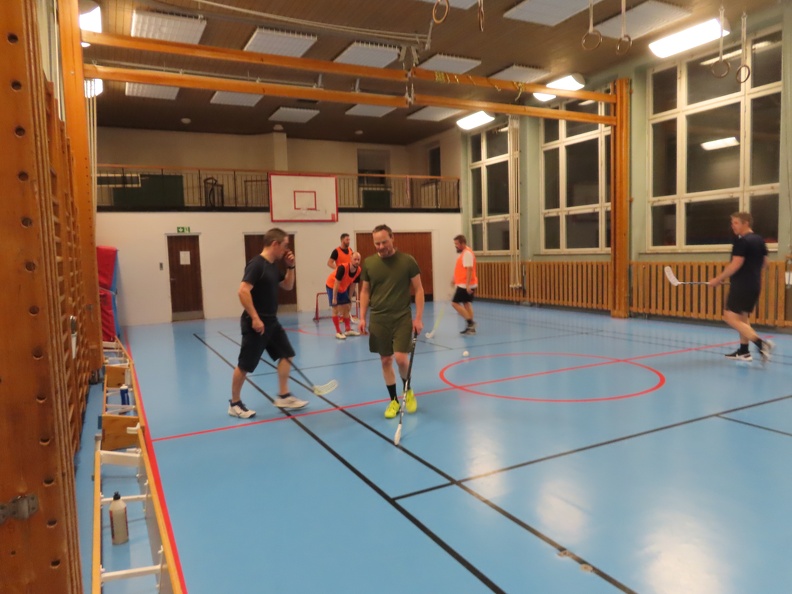
Here in the village we have indoor nordic floorball (innebandy) over the winter, but there’s also an ice hockey rink.
My main danger is getting too obsessed with a specific exercise and then injuring myself from overuse. I did this with skipping. I think the ideal is a good mix of different sports, routines and types of exercise over winter.
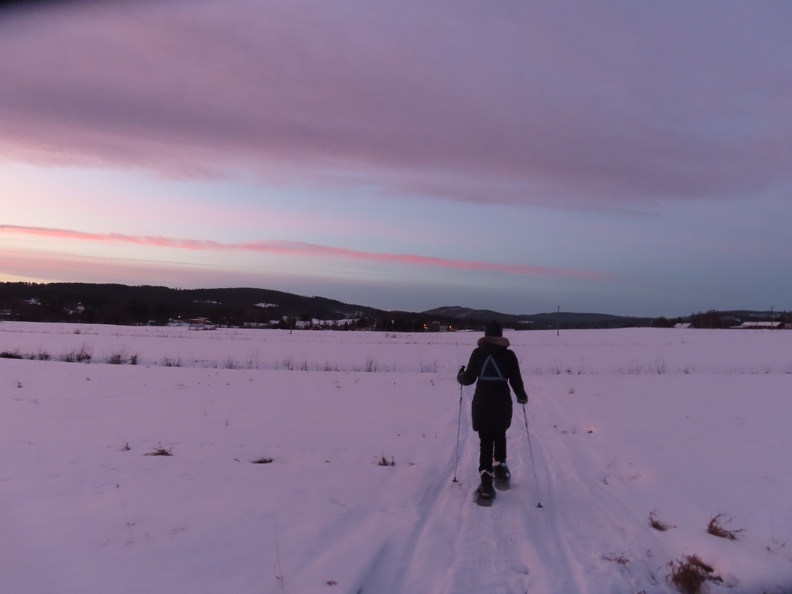
Outdoor sports are of course important but they usually need specific weather conditions to have happened. Shallow snow comes in November but the serious snow for outdoor sports doesn’t usually arrive until January. Even then the snow needs to be able to support your weight for most activities, which happens when a crust forms from sunlight and refreezing. A little bit of skill and experience in the sport also changes a nightmare into fun.
Therapists
In the UK the doctors have had criticism for prescribing drug treatment for anxiety and depression symptoms and then treating the issue as solved, whereas in Sweden it’s much more likely going to be therapist sessions prescribed. I’ve not used one yet but people recommend the online therapist services that are tied into the Swedish healthcare system. I think it comes out at £10 a session for 10 sessions which seems great value. The Swedish services I know of are below:
Outside of Sweden there’s more generic online services, I think they cost about £60-90 a session so the Sweden specific ones are more popular here.
For all of them, the therapist is probably going to be using Cognitive Behavioural Therapy (CBT) and some of the booking systems state this. CBT isn’t the only model but it is the most common current method discussed for correcting negative thought patterns.
If you prefer self help along these lines, any recent book on CBT from a qualified author is probably going to be useful.
Overseas Friends and Family
Generally the more social contact the better. I used to be useless at keeping in contact with family but nowadays I use a calendar to stagger regular video calls such as every 2 weeks or every month. This way I never forget and I make time around the call. I also limit the calls to about an hour. An hour is about long enough that neither of us accidentally talks the other to death.
With some long standing, long-distance friends I just send them a photo now and then on chat and sometimes they have time to message back and othertimes they don’t because of life pressures, and that’s cool. But I’ve been able to manage contact a lot better by setting a schedule to email people once a month, so there’s regular contact without overloading people. I find a lot of my friends inspirational and so I get a lot out of hearing their updates. I now email about 8-10 people in the monthly updates.
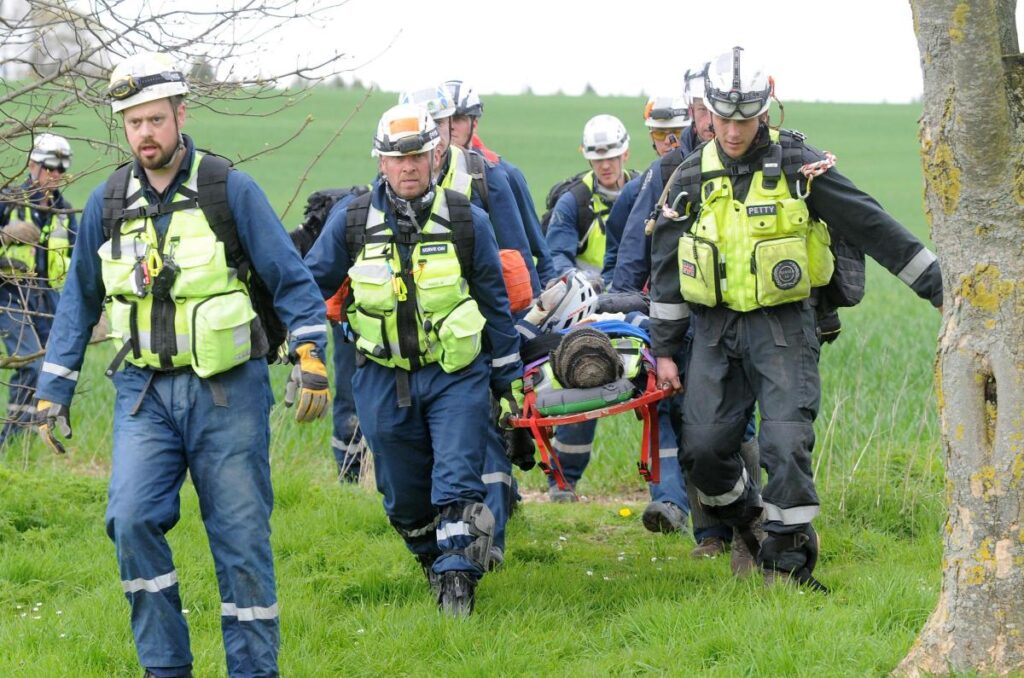
Generally putting energy into expanding my circle of family and friends has been positive and healthy. I did make an effort to see if I could patch up two ancient situations. Ultimately this was well meaning but is a risky thing to do in winter. I didn’t get it right at first. I initially approached it from the (in hindsight) somewhat mechanical-like angle of fixing decades-old history and it felt like I just sent myself in logical loops I couldn’t resolve based on half-memories. This confused the communication, and made me annoyed with my younger self. But the initial poor handling made my think about my thought processes, and do a lot of research, and as a result I learnt a lot. In those situations I think it’s been better to restart the dialogue from scratch and not mention the past. It’s been really uplifting to catch up with people on these terms.
But if you are going to make re-make contact with friends from long ago, I recommend doing it in the summer and having a sensible aim for gradual regular contact. Don’t wait until the middle of winter when you’re unknowingly acting like a person that’s gone crazy with cabin fever and lack of sleep.
Long Term: Developing a Mental Toolkit
I get a lot out of listening to other peoples constructive observations and lessons. I try to put together notes. Sometimes it’s things I’ve learnt, and sometimes it’s just something accidentally inspirational that someone drops into a conversation or an email, or shorts on social media. I cant remember them all so I re-read my notes occasionally. Basics include:
- Be aware of the concept of a downward spiral: anxiety making sleep difficult, which raises stress, which can cause depression, and so forth with each feeding into each other
- Be aware of the concept of pushing an upward spiral through small changes
- Be aware of perspective (as in empathy). Think how a beer bottle looks viewed from the base and how convinced someone might be that it looks like a circle. Now think of a different person that sees the same bottle from the side, or from the inside looking out the spout. None of them are lying about what they saw but they have different memories of the same thing.
- Leading on from the above: be aware your memories, especially about negative events and the reason for them, might not be true. As a small example, think of a time you’ve had a conversation with someone, and then years later you’ve realised what they were actually trying to tell you and that you misread the situation.
- Try to only stress about things you can affect – I’m usually pretty good with this one
- Avoid beating yourself up about the past and just focus on improving today and the future
- For specific problems causing anxiety, writing them down and then writing solutions to them, can make them seem a lot smaller.
I always recommend to anyone that they work on soft skills because they are hard to measure and yet they affect everything, from work, partners, family and everyday interactions. I’ve seen a lot of IT industry staff treat mention of such skills with suspicion, or to see them as lessons in manipulation intended for sales-persons. But it’s usually about seeing the other persons perspective. Typically this type of training might be published under titles such as:
- Communication skills / listening skills
- Assertiveness (which is not aggression)
- Emotional regulation / emotional intelligence
- Stress management
And Finally…
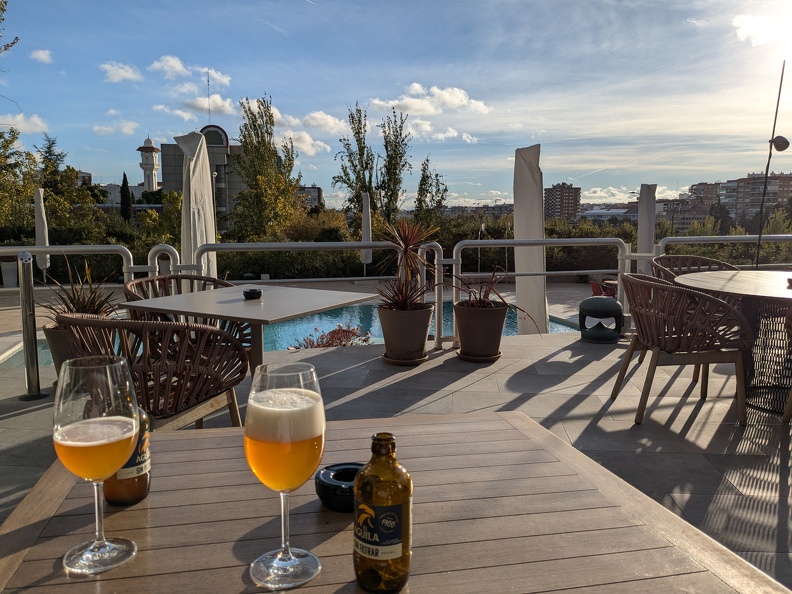
If you’ve got the time and money, you can always find a cheap out of season holiday to a sunny country. I was lucky in that, one winter, work sent me to Spain for a client-site job.
Some of our retired friends in Sweden drive a mobile home and head south through Europe over winter, again with Spain being a popular end destination. We see them again in the spring.
3 thoughts on “Winter Mental Health”
Comments are closed.



Hi, thank you for all those priceless articles. We are thinking of places to retire to and North Sweden is one of them. So thank you .
Hey thanks, you’re my first ever non-robot-spam comment.
I’ve just gone back through this article and fixed up some grammatical errors, thanks for stopping by.
No probs 🙂 And I am reading through your blog slowly.. Thanks again.
Icy